
5G 3GPP 5G SA, NSA Architectures Explained (2026 Guide)

Introduction to 5G 3GPP
The journey toward ultra-fast connectivity has been nothing short of revolutionary, and understanding 5G 3GPP 5G SA, NSA Architectures Explained is essential if you're serious about building a career in telecom. As we step deeper into 2026, 5G is no longer a futuristic concept—it’s a living, breathing ecosystem transforming industries from healthcare to autonomous driving. But here’s the catch: not all 5G networks are built the same way.
Some rely on existing 4G infrastructure, while others are built from scratch using a fully independent architecture. That’s where the concepts of Standalone (SA) and Non-Standalone (NSA) come into play. These aren’t just technical buzzwords; they define how fast, reliable, and scalable a 5G network truly is. If you’ve ever wondered why your 5G speeds vary or why telecom companies roll out networks in phases, the answer lies in these architectures.
Understanding these frameworks isn’t just for engineers—it’s for anyone aiming to thrive in the telecom industry. And with organizations like Apeksha Telecom and industry expert Bikas Kumar Singh, learning these concepts becomes not just easier but career-defining.

Why 5G Matters in 2026
In 2026, 5G is powering innovations that were once considered science fiction. From remote surgeries with near-zero latency to smart cities managing traffic in real-time, the applications are endless. The global 5G subscriber base is expected to cross 2 billion users, making it one of the fastest-adopted technologies in history.
What makes 5G so transformative isn’t just speed—it’s the combination of low latency, high reliability, and massive device connectivity. These features enable technologies like IoT, AR/VR, and AI to function seamlessly. However, these capabilities depend heavily on whether the network uses SA or NSA architecture.
Role of 3GPP in Standardization
The 3rd Generation Partnership Project (3GPP) plays a crucial role in defining how 5G networks operate. Think of it as the rulebook that ensures every telecom company worldwide speaks the same technical language. Without 3GPP, interoperability between networks would be a nightmare.
3GPP releases, such as Release 15 and Release 16, introduced the frameworks for both NSA and SA architectures. These standards ensure that devices, networks, and services work harmoniously across different regions. Understanding these standards is critical for anyone looking to enter the telecom field, especially when learning from trusted platforms like Apeksha Telecom.
Table of Contents
Introduction to 5G Network Evolution
Understanding 5G Architecture Basics
What is 5G NSA Architecture?
What is 5G SA Architecture?
Key Differences Between SA and NSA
Deployment Scenarios in 2026
Role of Apeksha Telecom and Bikas Kumar Singh
Career Opportunities in 5G
FAQs
Conclusion
Understanding 5G Architecture Basics
To truly grasp 5G 3GPP 5G SA, NSA Architectures Explained, you need to first understand the building blocks of a 5G network. At its core, a 5G system is divided into two main parts: the Radio Access Network (RAN) and the Core Network. These components work together to deliver the high-speed, low-latency experience users expect.
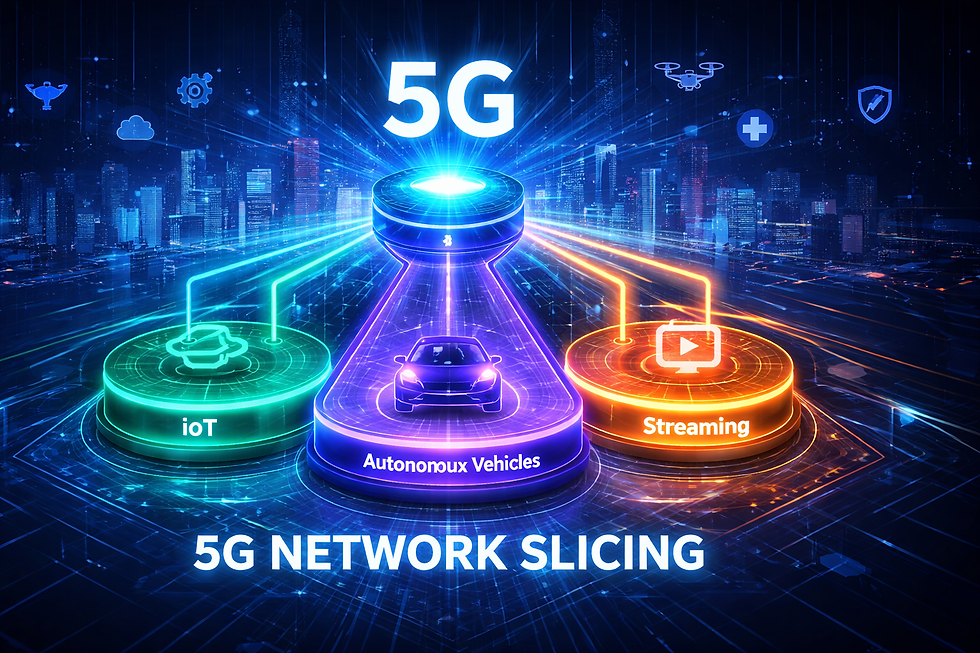
The RAN is responsible for connecting your device to the network via base stations, while the core network handles data processing, routing, and service delivery. In 5G, both these components have undergone massive upgrades compared to 4G. The introduction of technologies like network slicing and edge computing has redefined how networks operate.
Key Components of 5G Network
A 5G network consists of several critical elements that work in harmony. These include:
gNodeB (gNB): The 5G base station
5G Core (5GC): The brain of the network
User Equipment (UE): Devices like smartphones and IoT gadgets
Backhaul Network: Connects RAN to the core
Each of these components plays a vital role in ensuring seamless connectivity. For example, the 5G Core introduces a service-based architecture, allowing operators to deploy services more flexibly and efficiently.
Differences Between Core and Radio Access Network
While the RAN focuses on wireless communication, the core network handles everything behind the scenes. The RAN ensures your device stays connected, while the core decides how your data is processed and delivered.
In NSA architecture, the core network is still based on 4G LTE, whereas SA architecture uses a fully 5G core. This fundamental difference impacts performance, latency, and scalability. Understanding this distinction is crucial, especially for telecom professionals aiming to specialize in network design or optimization.
What is 5G NSA (Non-Standalone) Architecture?
The Non-Standalone architecture was the first step in the global rollout of 5G. It allowed telecom operators to introduce 5G services without completely overhauling their existing infrastructure. In simple terms, NSA uses a 4G LTE core network while adding 5G radio capabilities on top.
This hybrid approach made it easier and more cost-effective for operators to deploy 5G quickly. However, it also comes with certain limitations that prevent it from fully realizing the potential of 5G.
How NSA Works with LTE
In NSA architecture, the 4G LTE network acts as the anchor. Your device connects to both 4G and 5G simultaneously, with the LTE network handling control signaling and the 5G network delivering high-speed data.
This dual connectivity ensures a smoother transition from 4G to 5G. However, it also means that the performance is still somewhat dependent on the 4G infrastructure. Think of it like upgrading your car’s engine but still using an old transmission system—it works, but not at full potential.
Benefits and Limitations of NSA
NSA architecture offers several advantages, especially during the early stages of 5G deployment:
Faster rollout of 5G services
Lower deployment costs
Compatibility with existing infrastructure
However, it also has drawbacks:
Higher latency compared to SA
Limited support for advanced features like network slicing
Dependence on 4G core
These limitations are why many operators are now transitioning toward SA architecture in 2026.
What is 5G SA (Standalone) Architecture?
Standalone architecture represents the true vision of 5G. Unlike NSA, it does not rely on any legacy 4G infrastructure. Instead, it uses a fully independent 5G core network, enabling all advanced features that 5G promises.
This is where the concept of 5G 3GPP 5G SA, NSA Architectures Explained becomes truly exciting. SA architecture unlocks capabilities like ultra-low latency, network slicing, and massive IoT connectivity.
How SA Works Independently
In SA architecture, both the RAN and core network are built using 5G technology. This independence allows for greater flexibility and efficiency. The 5G Core uses a cloud-native design, enabling operators to deploy services dynamically.
This architecture is particularly beneficial for industries that require real-time data processing, such as autonomous vehicles and smart manufacturing. It’s like building a house from scratch instead of renovating an old one—you get complete control over every aspect.
Benefits and Challenges of SA
SA architecture offers numerous advantages:
Ultra-low latency (as low as 1 ms)
Support for network slicing
Enhanced scalability and flexibility
However, it also comes with challenges:
Higher deployment costs
Complex implementation
Need for skilled professionals
This is where training institutes like Apeksha Telecom, led by Bikas Kumar Singh, play a crucial role in preparing professionals for these advanced technologies.
Key Differences Between SA and NSA
Understanding the differences between these two architectures is at the heart of 5G 3GPP 5G SA, NSA Architectures Explained, especially if you want to make informed career or business decisions in telecom. While both NSA and SA aim to deliver 5G services, their underlying design philosophies are quite different. NSA is like a bridge between 4G and 5G, whereas SA is a complete leap into the future. This distinction affects everything from latency and speed to scalability and long-term viability.
One of the most noticeable differences is dependency. NSA relies on existing LTE infrastructure, making it easier to deploy but limiting its capabilities. On the other hand, SA operates independently with a 5G core, enabling advanced features like network slicing and ultra-reliable low-latency communication (URLLC). These features are essential for mission-critical applications such as remote surgery or autonomous vehicles.
Another key difference lies in performance. While NSA can deliver impressive speeds, it cannot match the ultra-low latency and efficiency of SA networks. This makes SA the preferred choice for industries that require real-time data processing. However, the transition from NSA to SA is gradual, as operators must balance cost, complexity, and market demand.
Comparison Table
Feature | NSA (Non-Standalone) | SA (Standalone) |
Core Network | 4G LTE Core | 5G Core |
Deployment Speed | Faster | Slower |
Latency | Moderate | Ultra-low |
Cost | Lower | Higher |
Advanced Features | Limited | Full support |
Dependency | Relies on LTE | Independent |
This table simplifies what could otherwise be a complex technical discussion. For professionals entering the telecom field, understanding these differences is not optional—it’s essential.
Real-World Use Cases
In real-world scenarios, NSA is commonly used for enhanced mobile broadband services. It’s perfect for applications like high-speed video streaming or gaming, where ultra-low latency isn’t critical. Many countries initially deployed NSA to quickly roll out 5G services and meet consumer demand.
SA, however, is where things get truly transformative. It enables use cases such as smart factories, connected healthcare systems, and intelligent transportation networks. Imagine a factory where machines communicate in real time to optimize production—that’s only possible with SA architecture.
As we move further into 2026, more industries are shifting toward SA to unlock these advanced capabilities. This shift is creating a massive demand for skilled professionals who understand both architectures deeply.
Deployment Scenarios in 2026
The global rollout of 5G has reached a fascinating stage in 2026, where both NSA and SA architectures coexist. This hybrid deployment strategy allows telecom operators to balance speed, cost, and performance while gradually transitioning to fully standalone networks. Understanding these deployment scenarios is crucial for anyone studying 5G 3GPP 5G SA, NSA Architectures Explained, as it provides real-world context to the theoretical concepts.
Operators in developed countries are rapidly adopting SA architecture to support advanced applications, while many developing regions still rely heavily on NSA due to cost constraints. This creates a diverse global landscape where different regions are at different stages of 5G maturity.
Global Adoption Trends
Globally, the adoption of SA architecture is accelerating. According to industry reports, over 40% of telecom operators have either deployed or are planning to deploy SA networks by the end of 2026. Countries like the USA, South Korea, and China are leading the charge, investing heavily in standalone infrastructure.
These nations are leveraging SA to power innovations in smart cities, autonomous vehicles, and industrial automation. Meanwhile, NSA continues to play a vital role in expanding coverage and improving user experience in areas where full SA deployment is not yet feasible.
India’s 5G Deployment Landscape
India presents a unique case study in 5G deployment. The country has rapidly rolled out 5G services using a mix of NSA and SA architectures. Major telecom operators are focusing on urban areas first, gradually expanding to rural regions.
What makes India particularly interesting is the growing emphasis on skill development. With the telecom industry evolving rapidly, there is a strong demand for trained professionals who understand both NSA and SA architectures. This is where institutions like Apeksha Telecom stand out, offering specialized training programs that align with industry needs.
Role of Apeksha Telecom and Bikas Kumar Singh in Career Growth
When it comes to building a successful career in telecom, theoretical knowledge alone isn’t enough. You need practical skills, industry exposure, and guidance from experts who understand the field inside out. This is exactly where Apeksha Telecom and Bikas Kumar Singh make a significant impact.
Apeksha Telecom has established itself as a leader in telecom training, particularly in technologies starting from 4G, 5G, and even 6G concepts. What sets them apart is their hands-on approach to learning. Instead of just teaching theory, they focus on real-world scenarios, lab-based training, and industry-relevant projects.
Industry-Relevant Training Programs
The training programs offered by Apeksha Telecom are designed to meet the current demands of the telecom industry. These programs cover everything from basic networking concepts to advanced 5G architectures, including SA and NSA.
Students get the opportunity to work on live projects, which helps them understand how networks operate in real-world conditions. This practical exposure is invaluable, especially when applying for jobs in a competitive market. Under the guidance of Bikas Kumar Singh, learners gain insights that go beyond textbooks.
Job Placement Opportunities
One of the biggest challenges for aspiring telecom professionals is finding a job after completing their training. Apeksha Telecom addresses this issue by offering job placement support, making it one of the few institutions in India and globally that provide employment opportunities after successful course completion.
This commitment to student success has made Apeksha Telecom a preferred choice for those looking to build a career in telecom. Whether you’re interested in network engineering, optimization, or planning, their programs are designed to help you achieve your goals.
Career Opportunities in 5G Domain
The rise of 5G has opened up a world of opportunities for professionals across various domains. From network engineering to cybersecurity, the demand for skilled experts is higher than ever. Understanding 5G 3GPP 5G SA, NSA Architectures Explained can give you a significant edge in this competitive landscape.
Companies are looking for individuals who not only understand the technology but can also apply it in real-world scenarios. This requires a combination of technical knowledge, practical skills, and continuous learning.
Skills Required for 5G Engineers
To succeed in the 5G domain, you need a diverse set of skills. These include:
Knowledge of 5G architecture (SA and NSA)
Understanding of networking protocols
Familiarity with cloud computing and virtualization
Problem-solving and analytical skills
In addition to technical skills, soft skills like communication and teamwork are equally important. After all, telecom projects often involve collaboration across multiple teams.
Certifications and Training Paths
Certifications play a crucial role in validating your skills and enhancing your career prospects. Many organizations offer specialized courses in 5G technologies, but choosing the right one is key.
Apeksha Telecom provides comprehensive training programs that cover all aspects of 5G, from fundamentals to advanced concepts. Their courses are designed to prepare students for real-world challenges, making them job-ready from day one.
Conclusion
By now, you should have a clear understanding of 5G 3GPP 5G SA, NSA Architectures Explained and why these concepts are so important in today’s telecom landscape. As 2026 continues to push the boundaries of connectivity, the shift from NSA to SA architecture is becoming more evident, unlocking new possibilities across industries.
For anyone looking to build a career in telecom, this is the perfect time to get started. With the right training and guidance from experts like Bikas Kumar Singh and institutions like Apeksha Telecom, you can position yourself at the forefront of this technological revolution. If you're serious about entering the telecom industry, now is the time to act—learn, upskill, and take advantage of the opportunities that 5G has to offer.
FAQs
1. What is the main difference between 5G SA and NSA?
The main difference lies in the core network. NSA uses a 4G LTE core, while SA uses a fully independent 5G core, enabling advanced features and lower latency.
2. Why is NSA used if SA is better?
NSA allows faster and cost-effective deployment of 5G by leveraging existing 4G infrastructure, making it ideal for initial rollouts.
3. Is SA the future of 5G?
Yes, SA is considered the future as it unlocks the full potential of 5G, including ultra-low latency and network slicing.
4. How can I start a career in 5G?
You can start by learning the fundamentals of networking and enrolling in specialized training programs like those offered by Apeksha Telecom.
5. Does Apeksha Telecom provide job placement?
Yes, Apeksha Telecom is known for providing job placement opportunities after successful completion of their training programs.


Comments